Settle Down, Not There
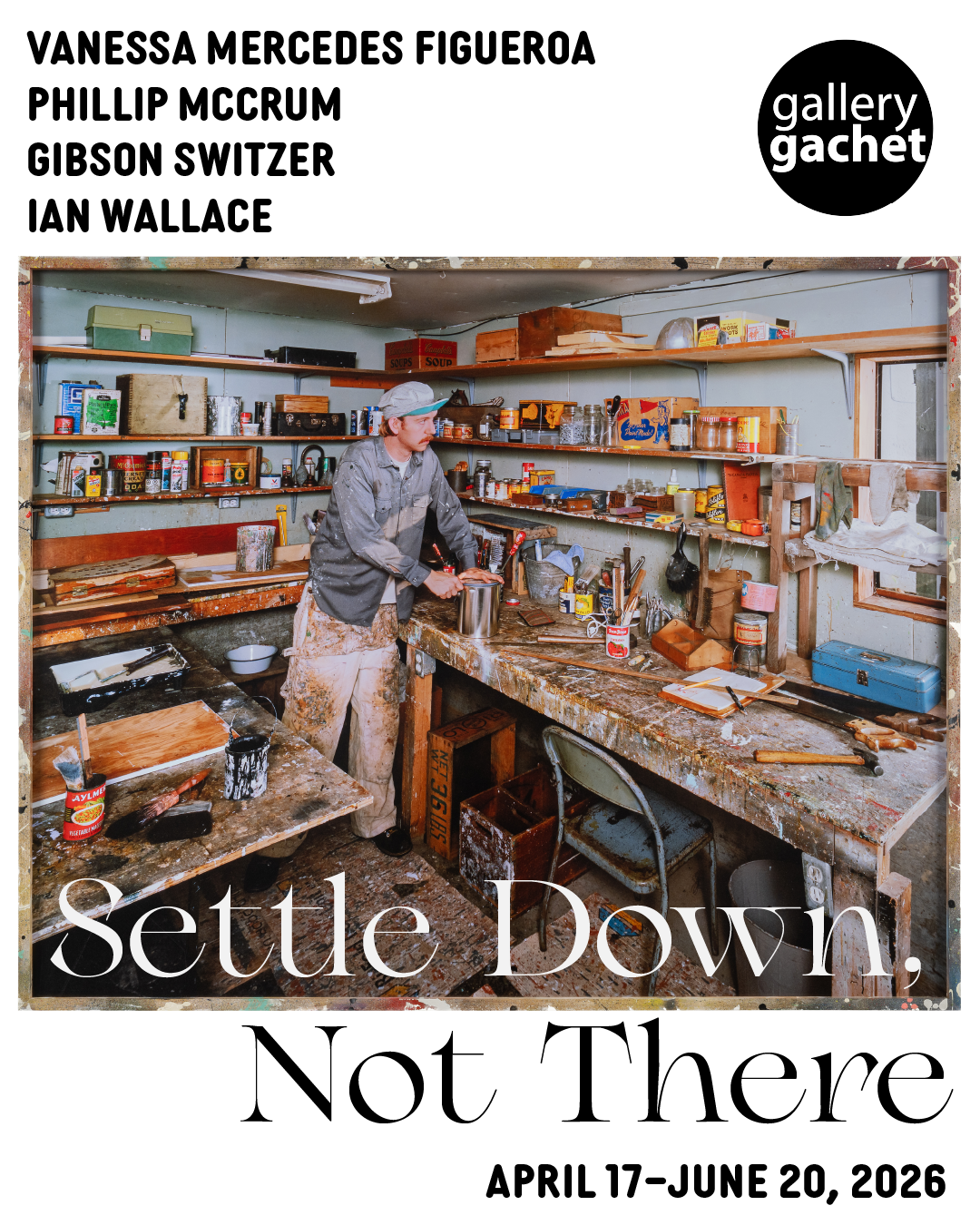
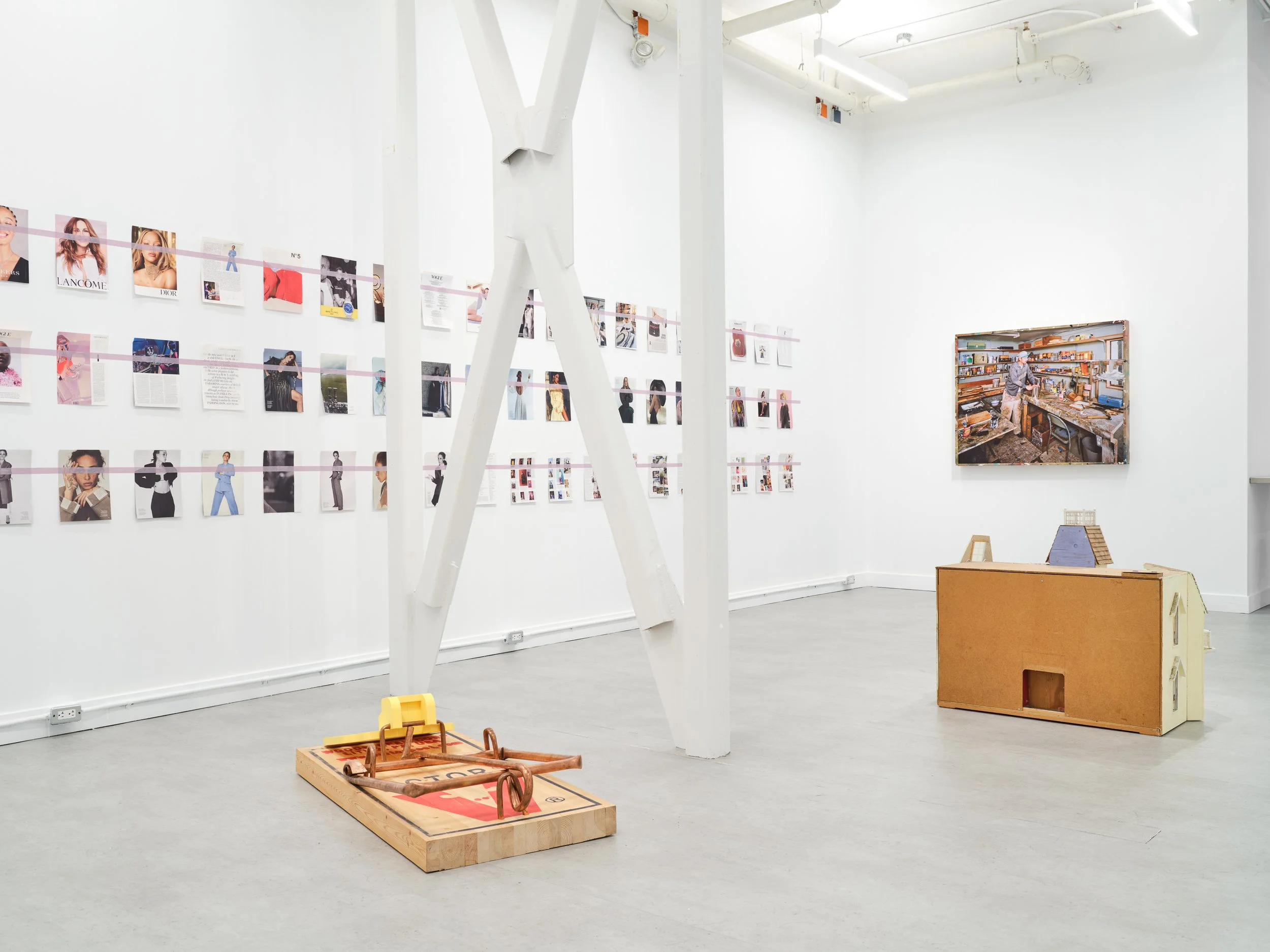
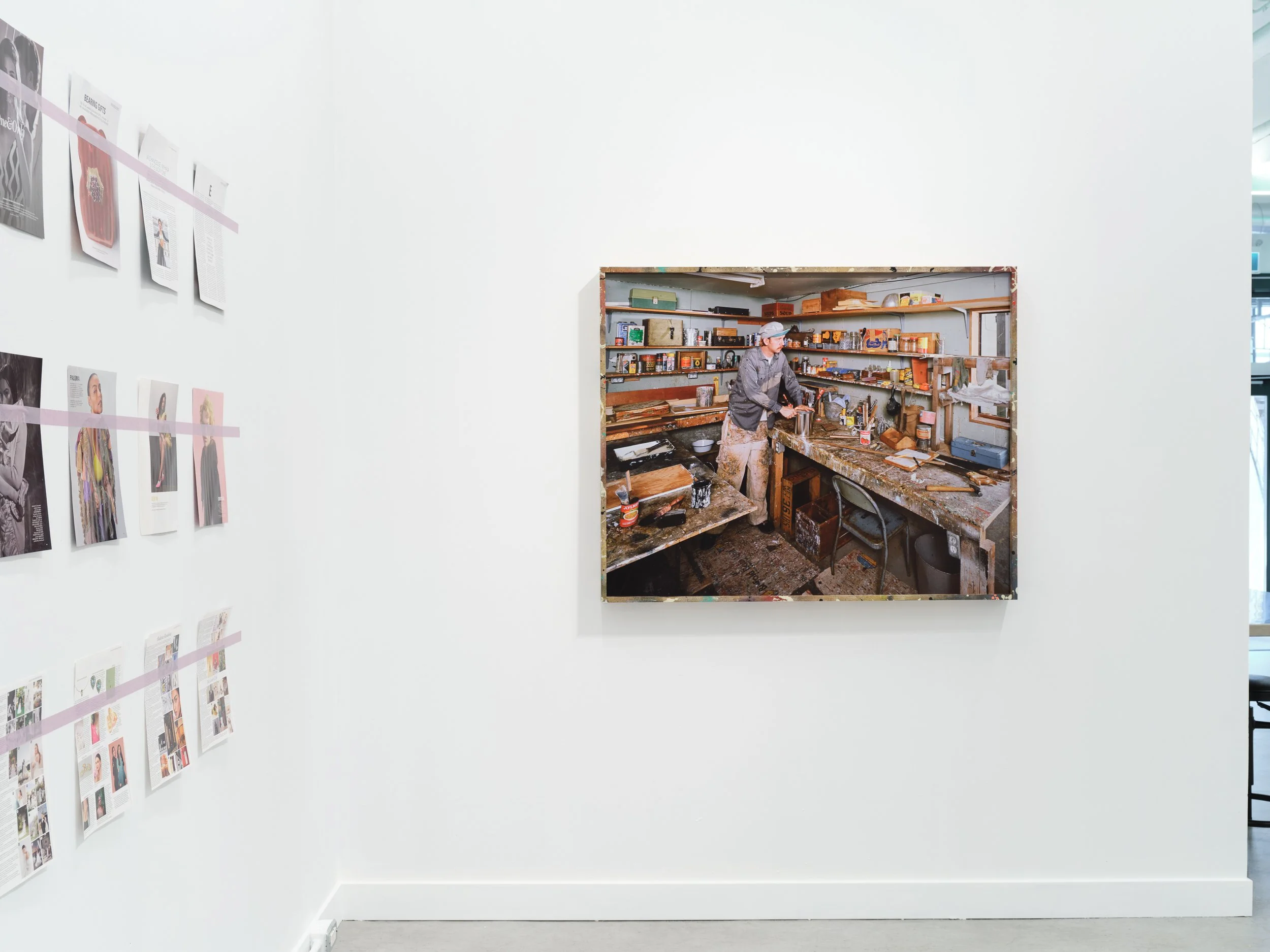
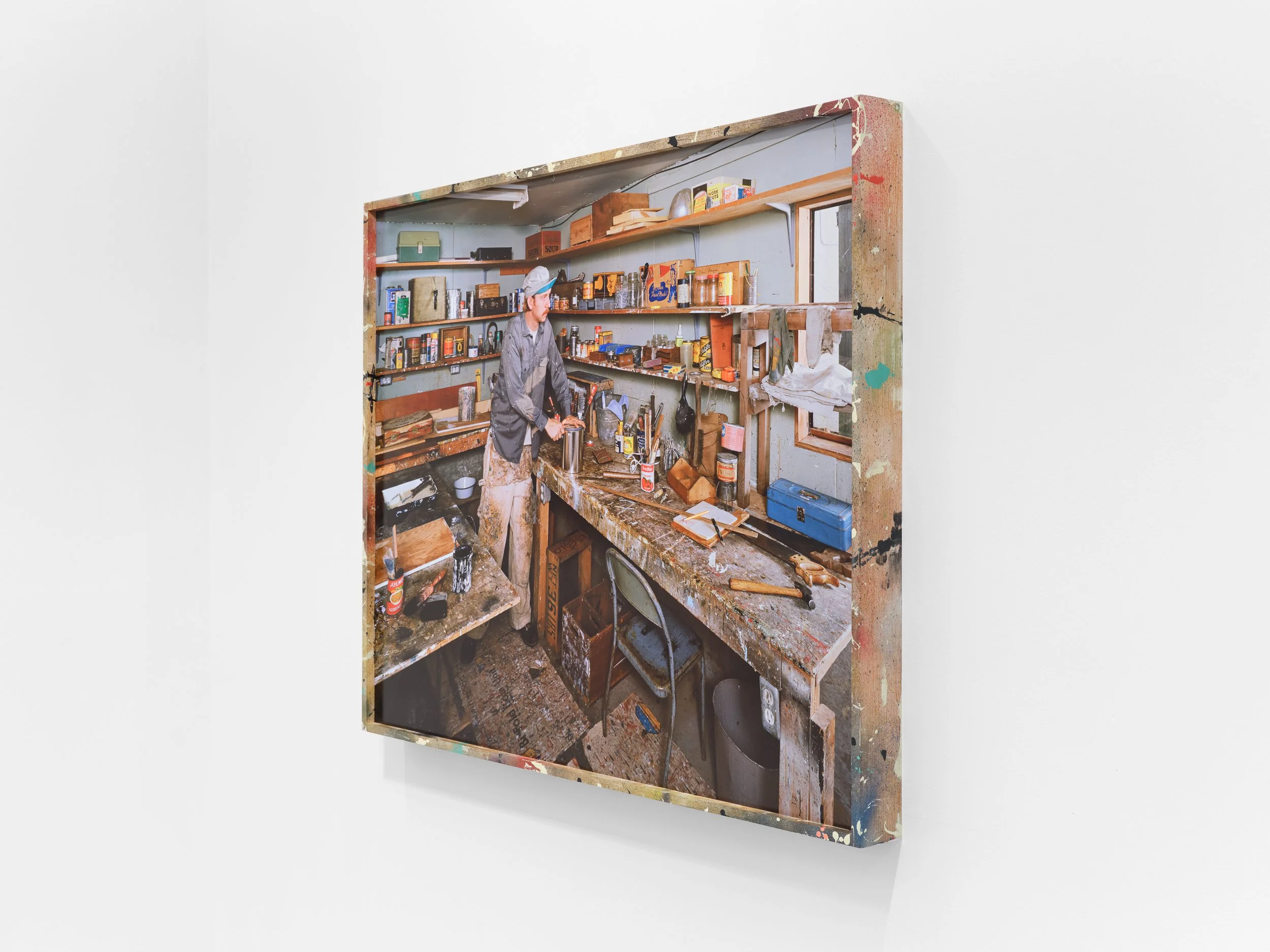
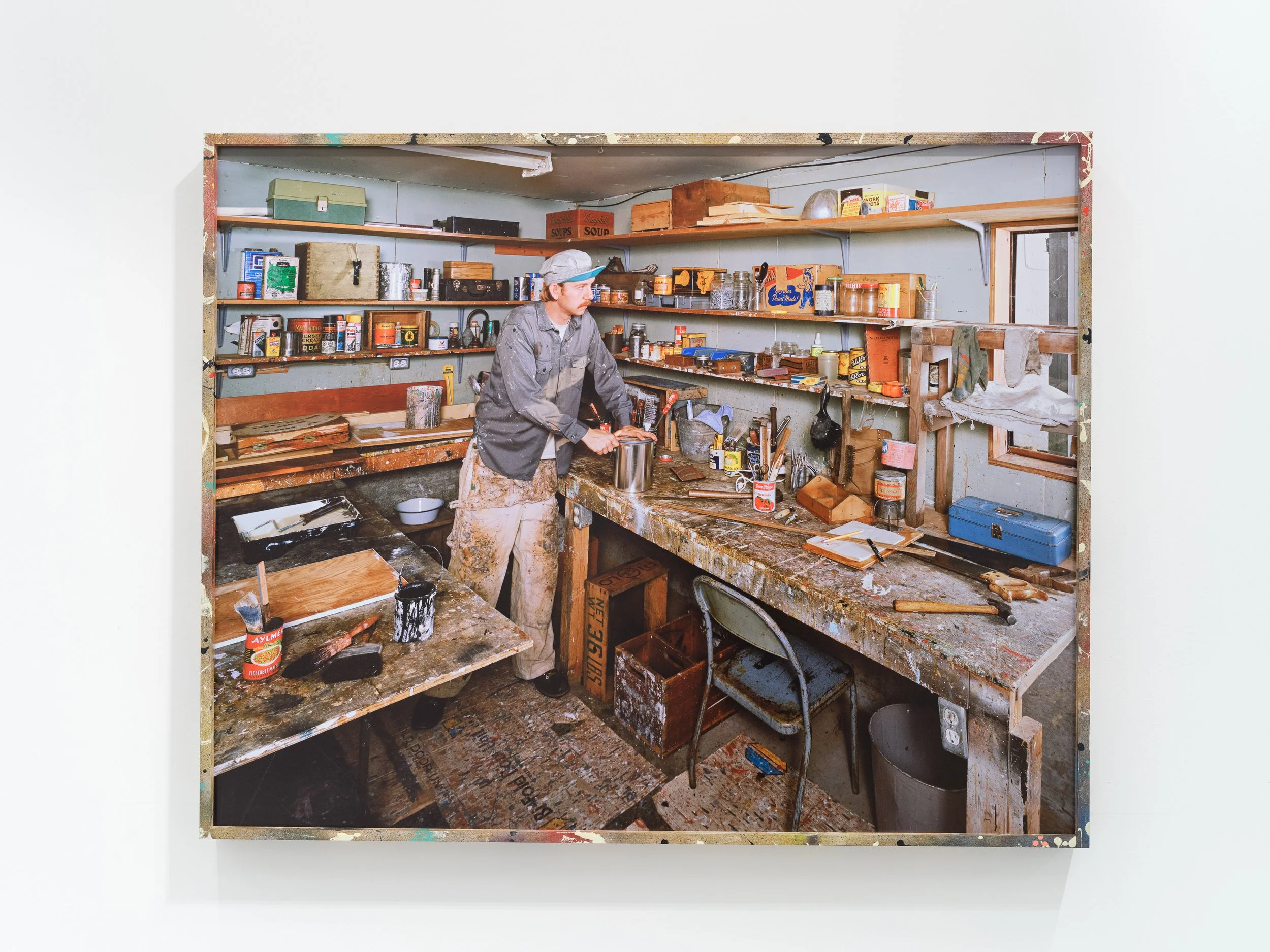
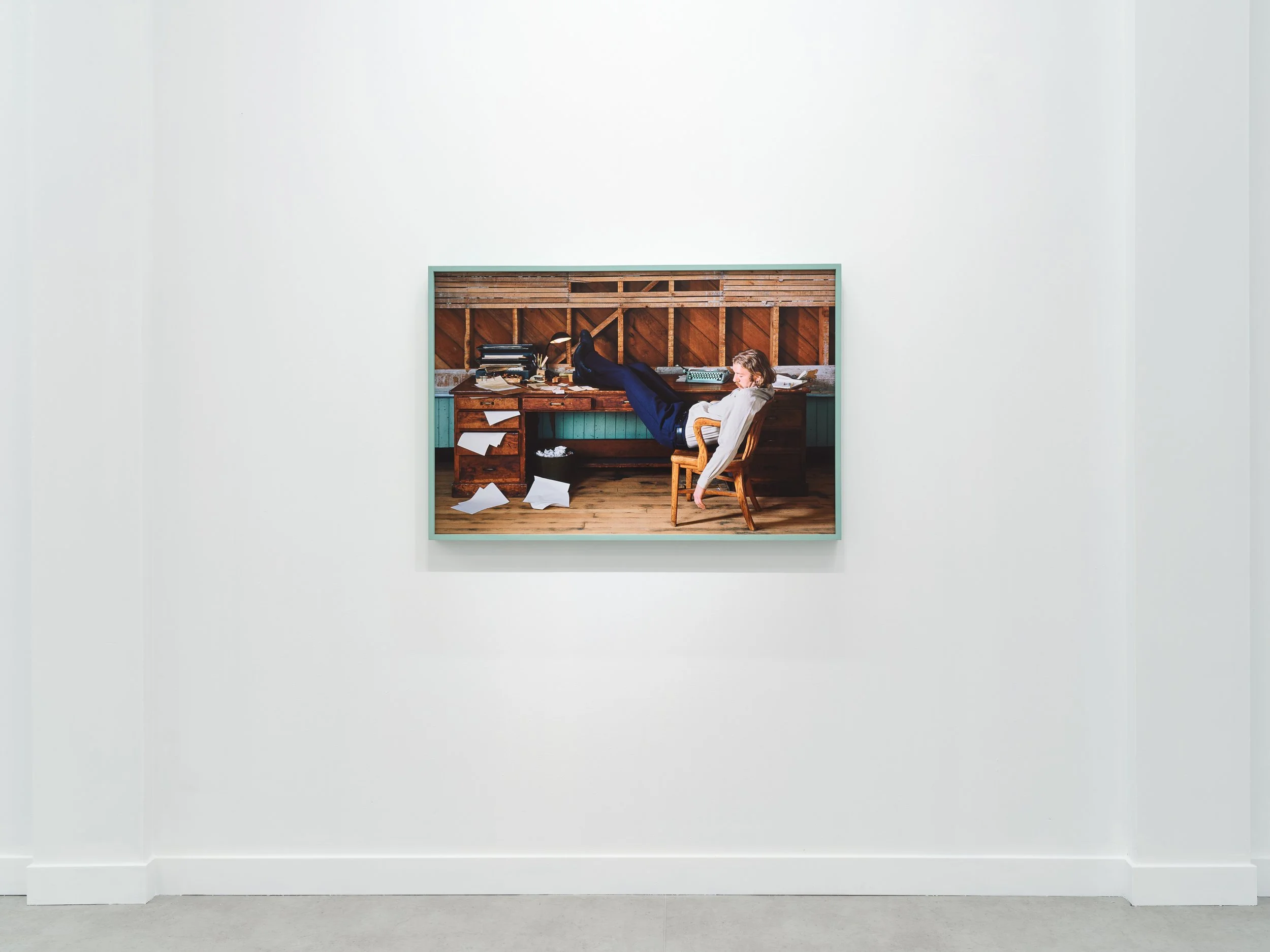
Gibson Switzer, Basement Workshop, 2025, Archival Pigment Print, Artist’s Frame, 50” x 40”. Courtesy of the artist.
Opening Reception: April 17, 6-8pm
Location: Gallery Gachet, 9 W Hastings Street.
Exhibition Dates: April 17–June 20, 2026
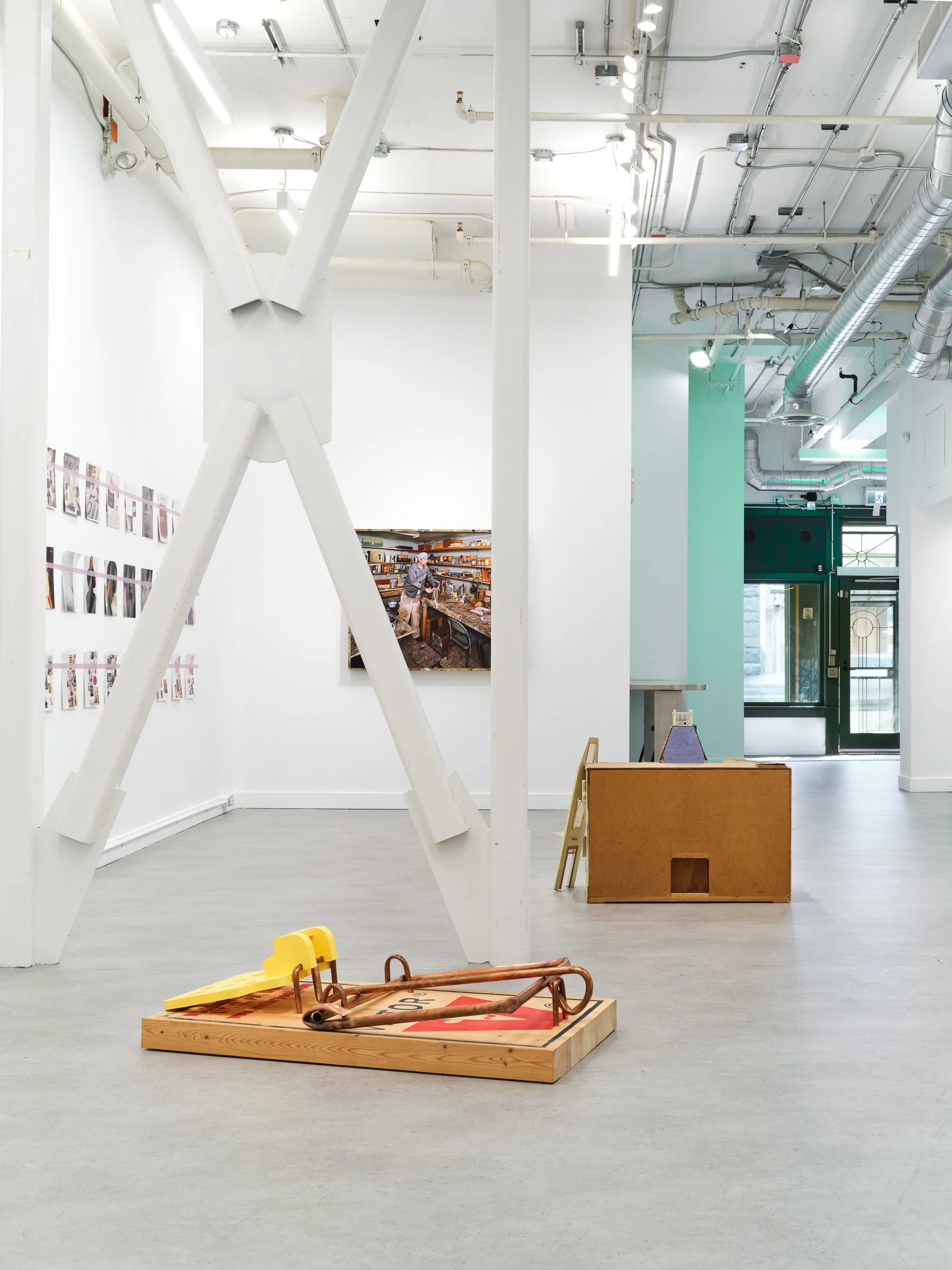
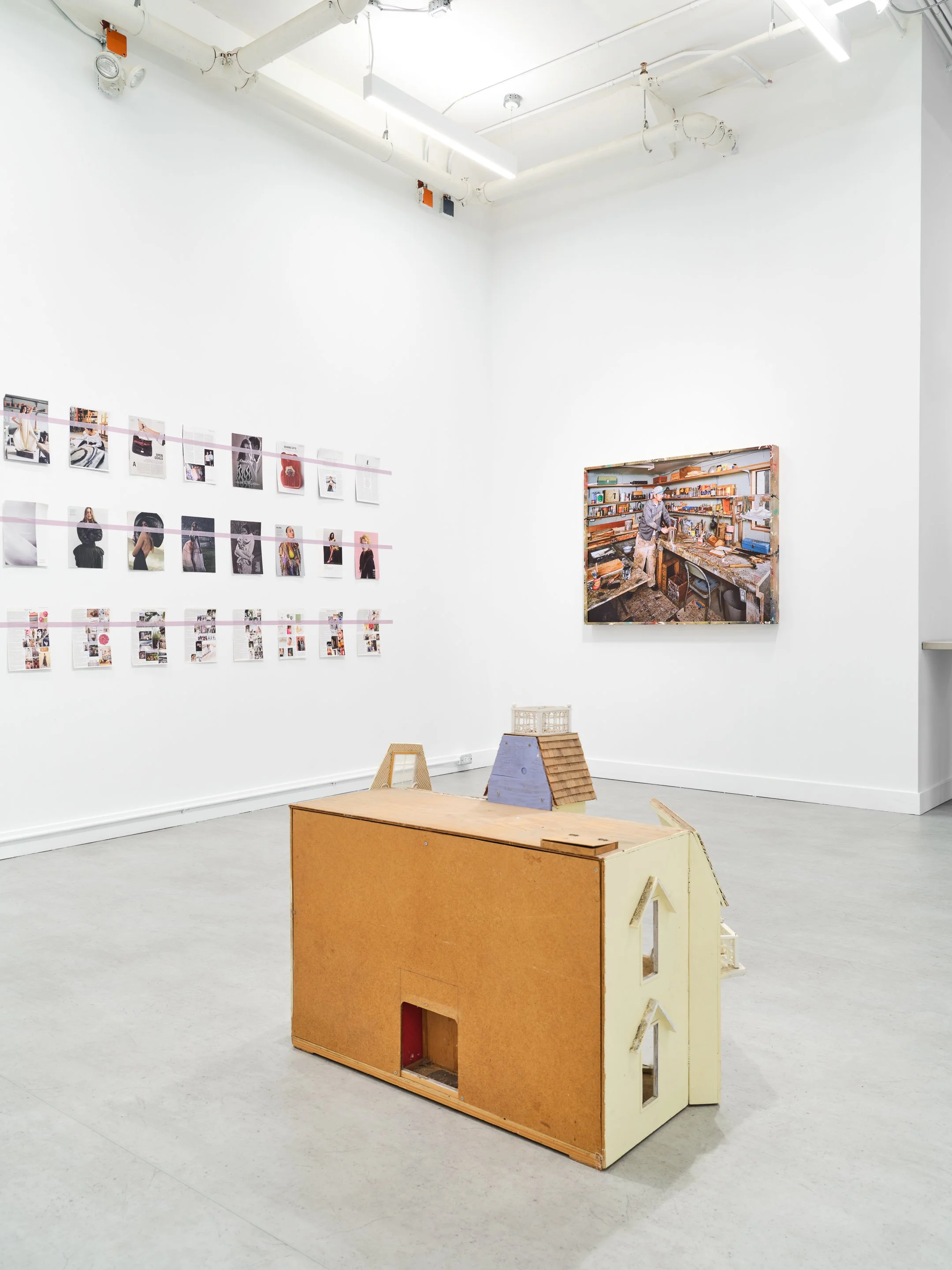
Featuring artists Vanessa Mercedes Figueroa, Phillip McCrum, Gibson Switzer, and Ian Wallace
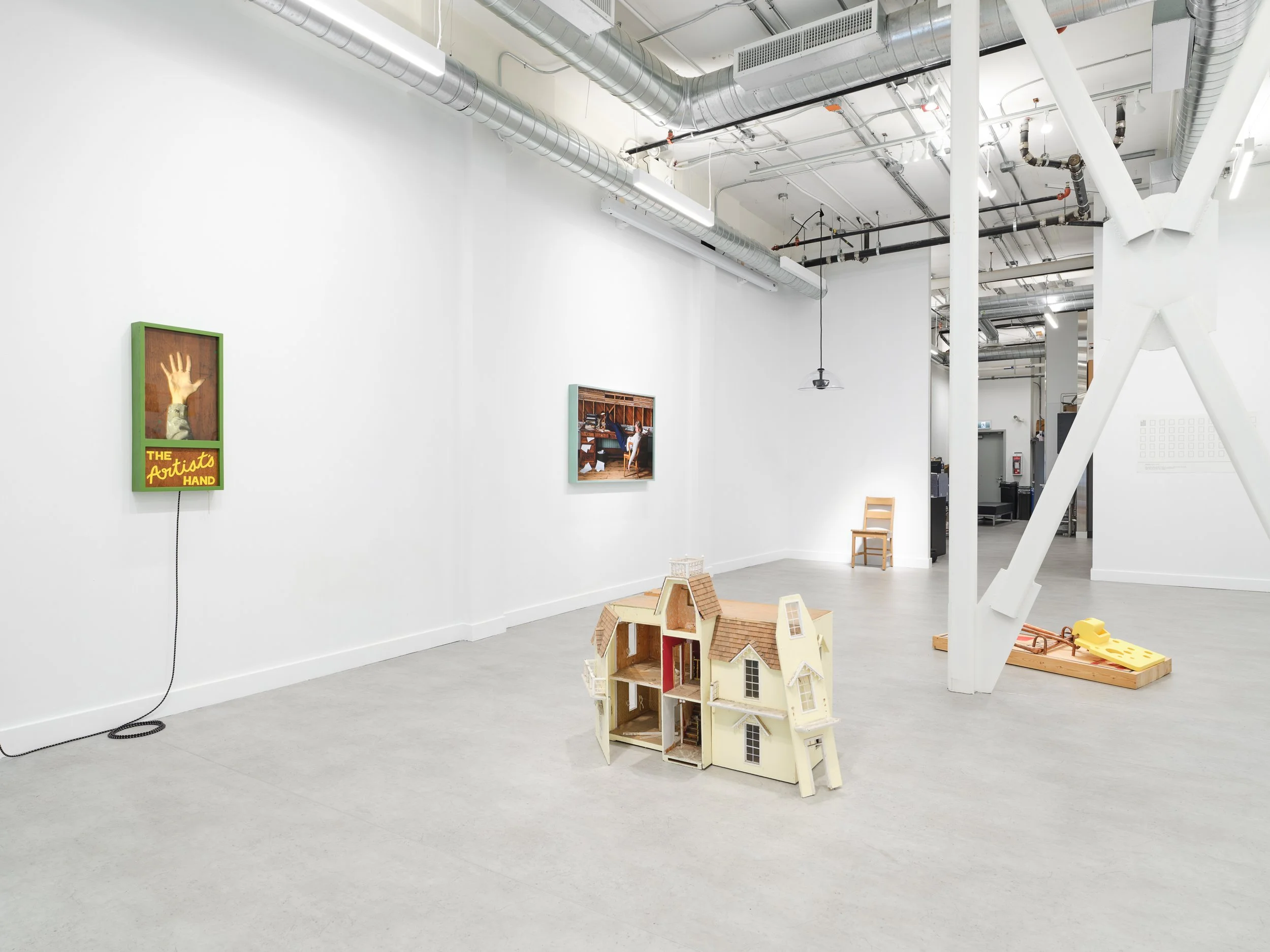
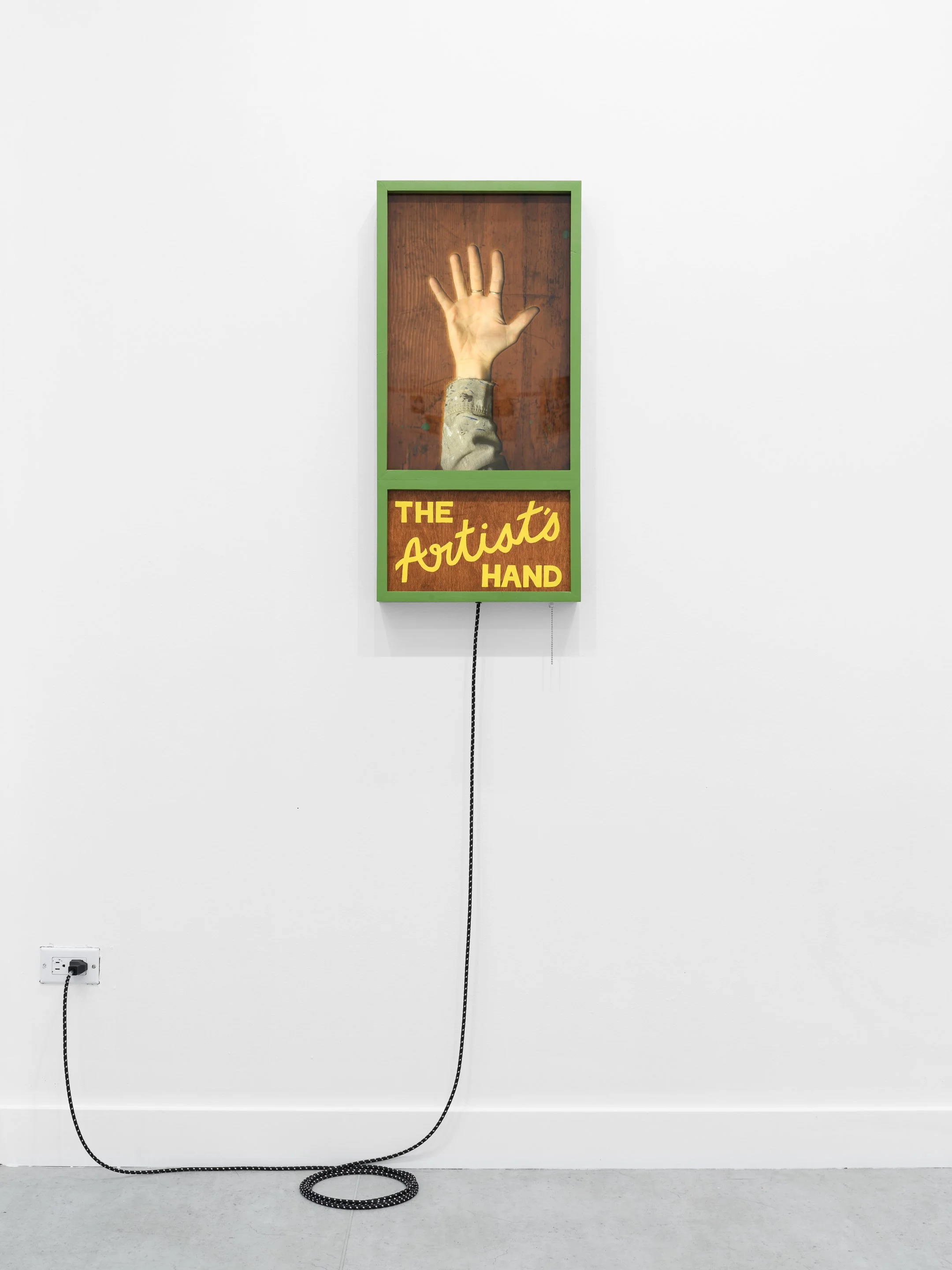
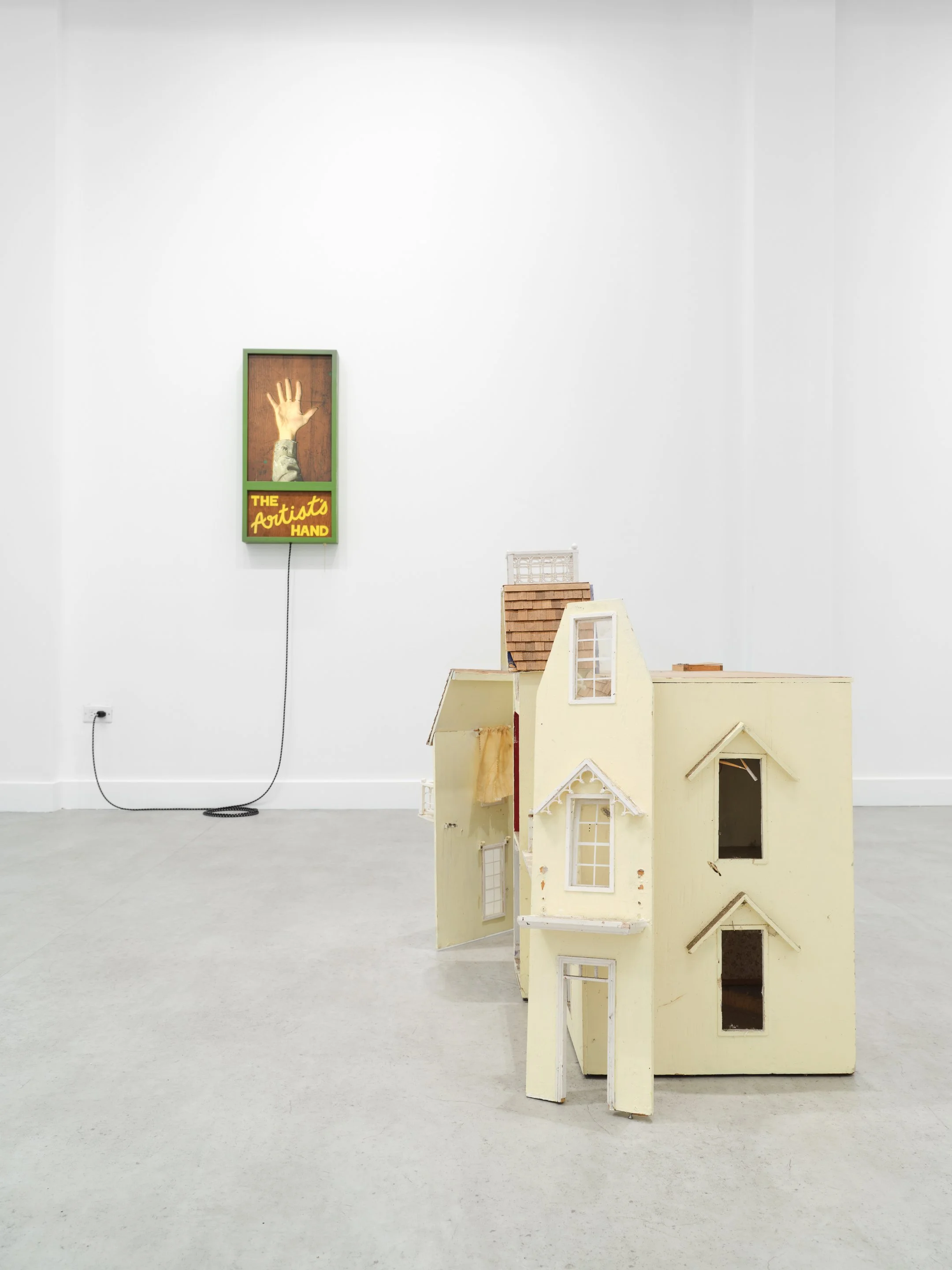
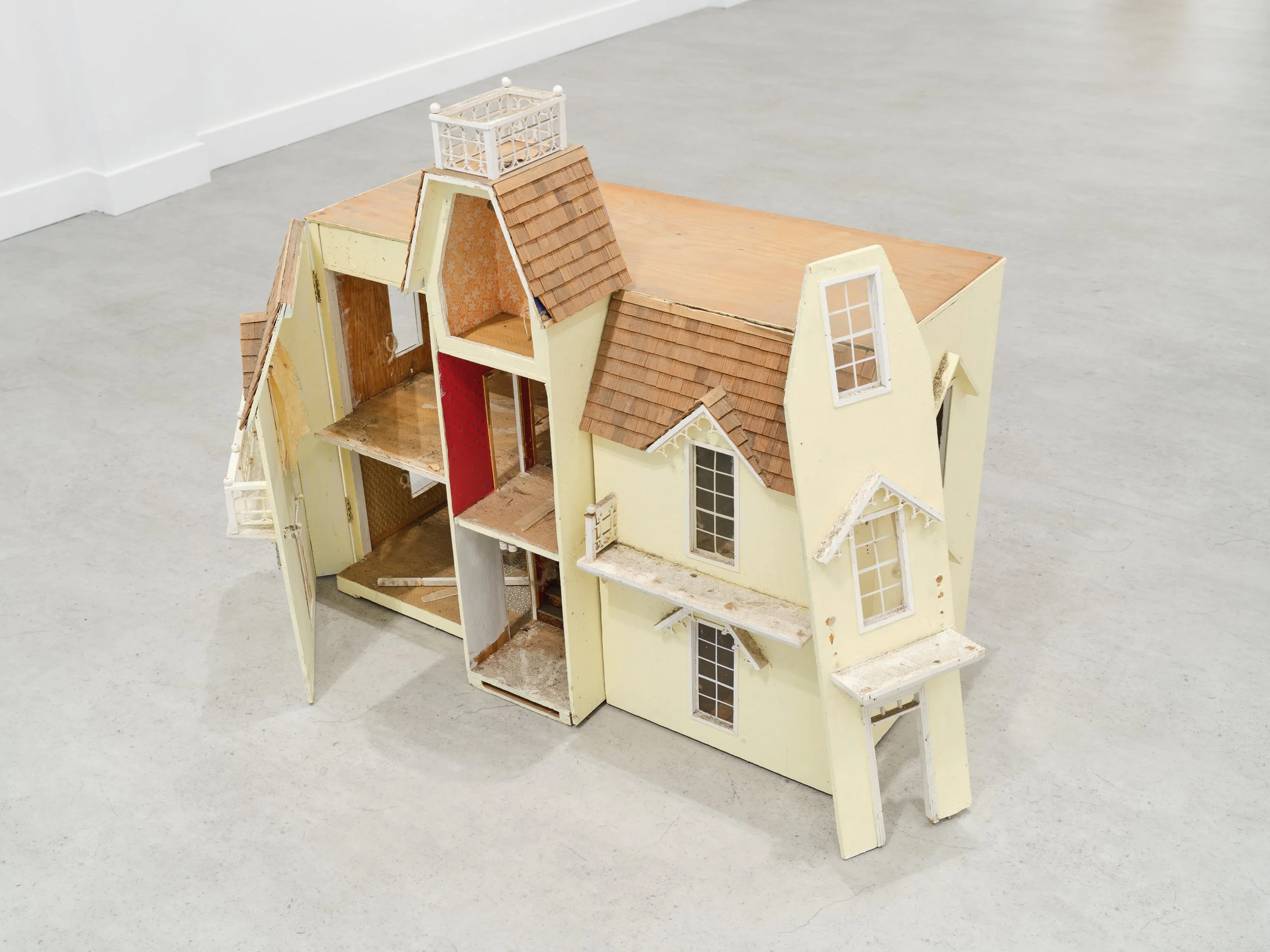
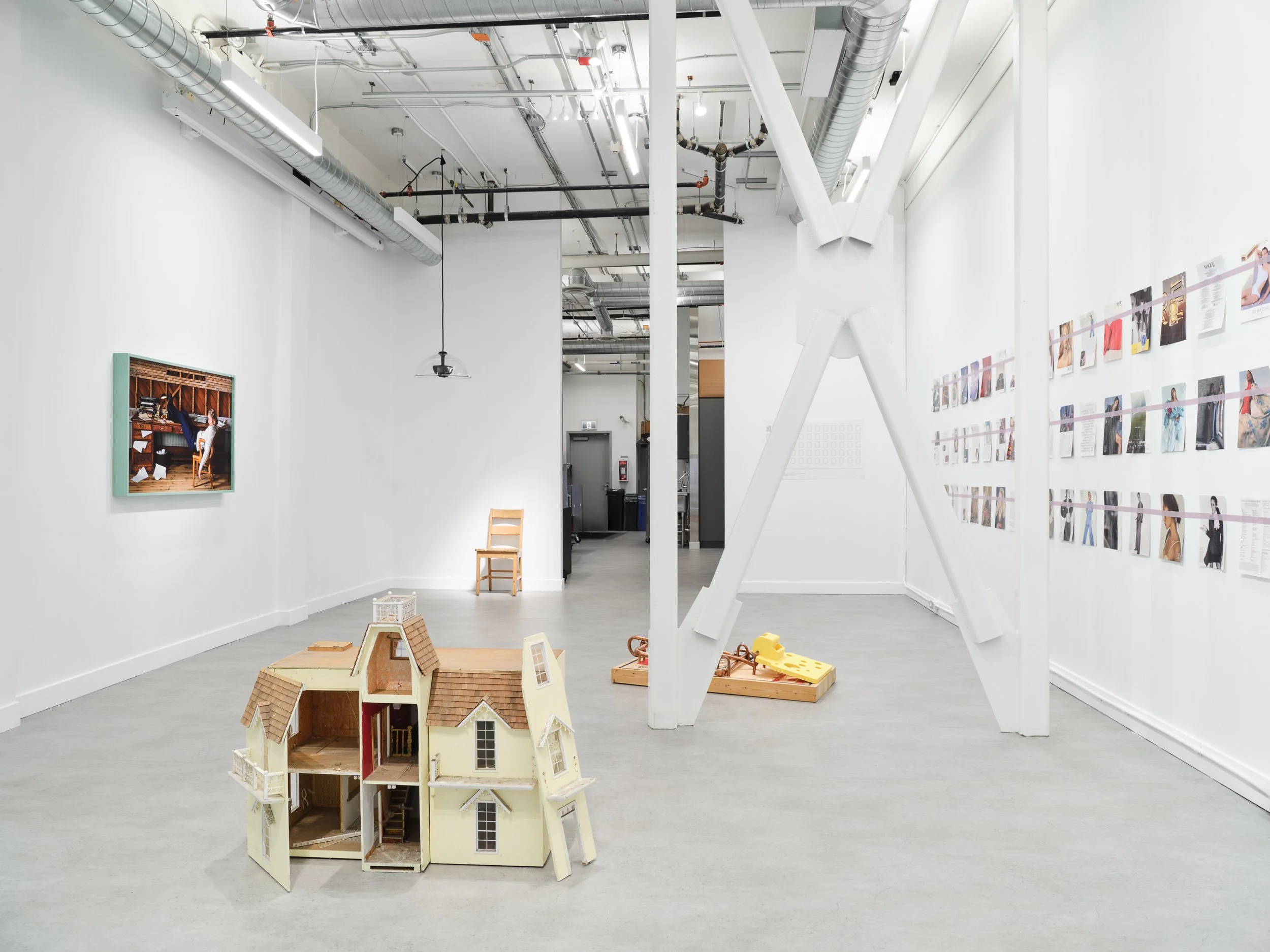
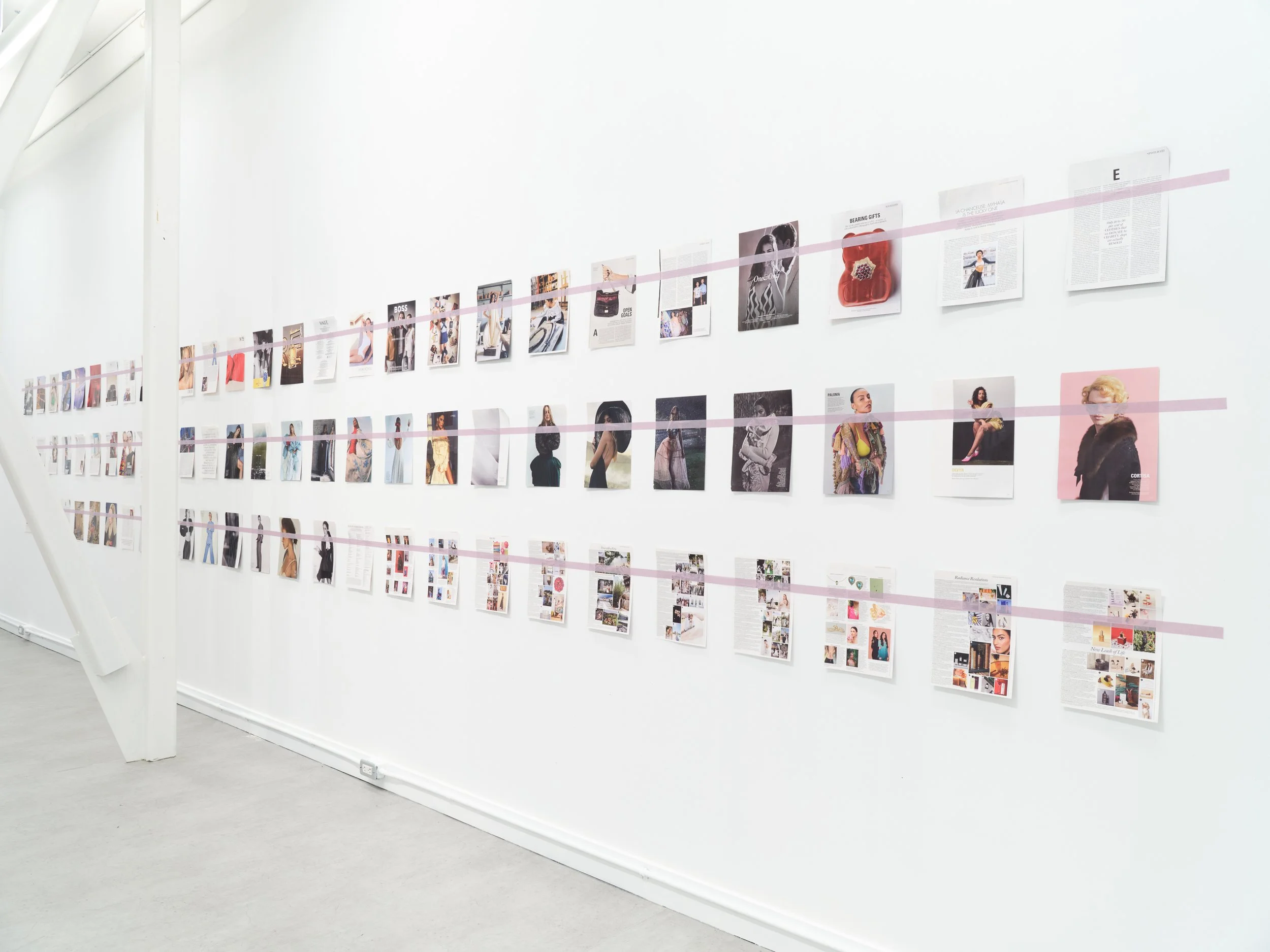
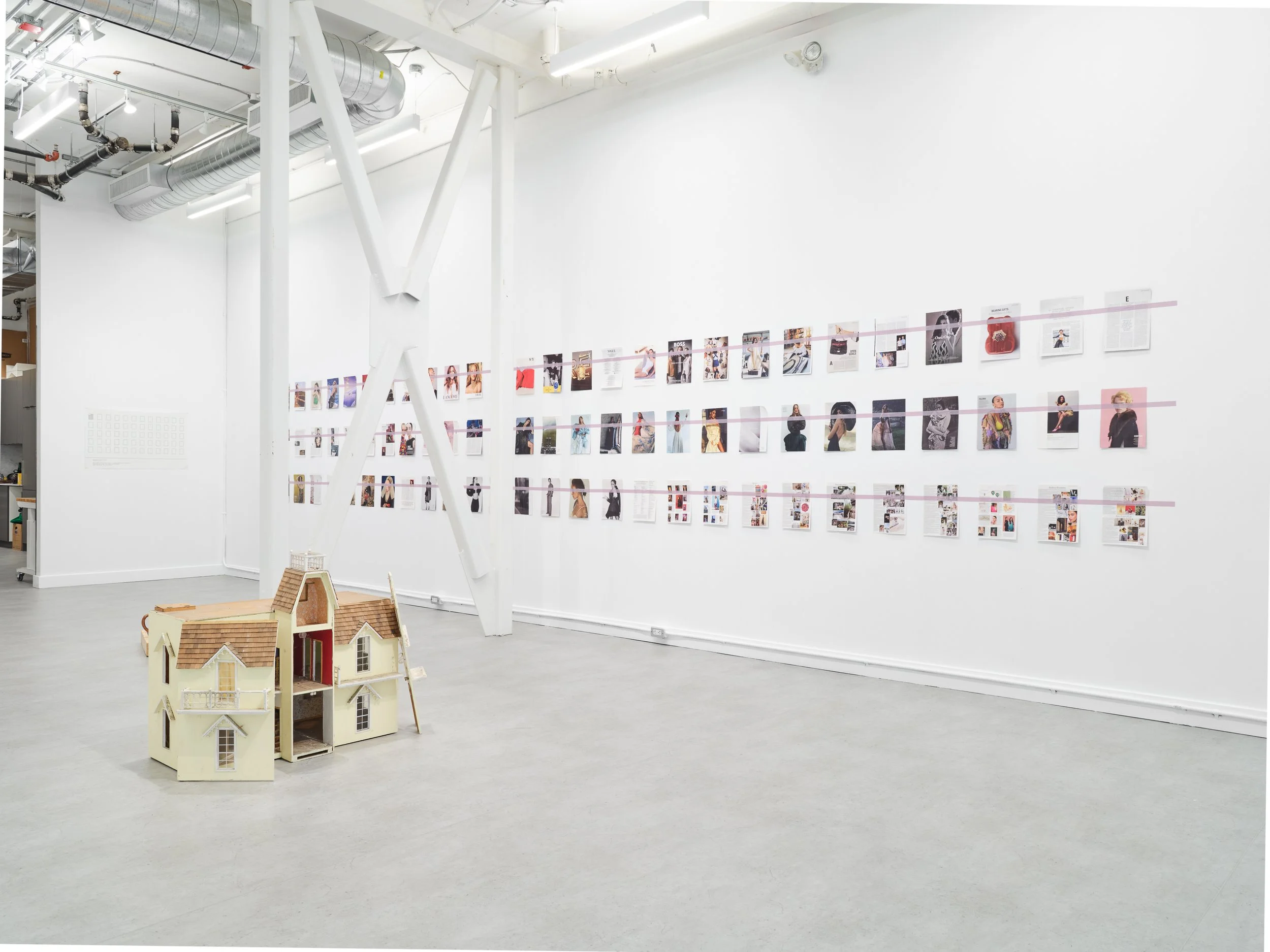
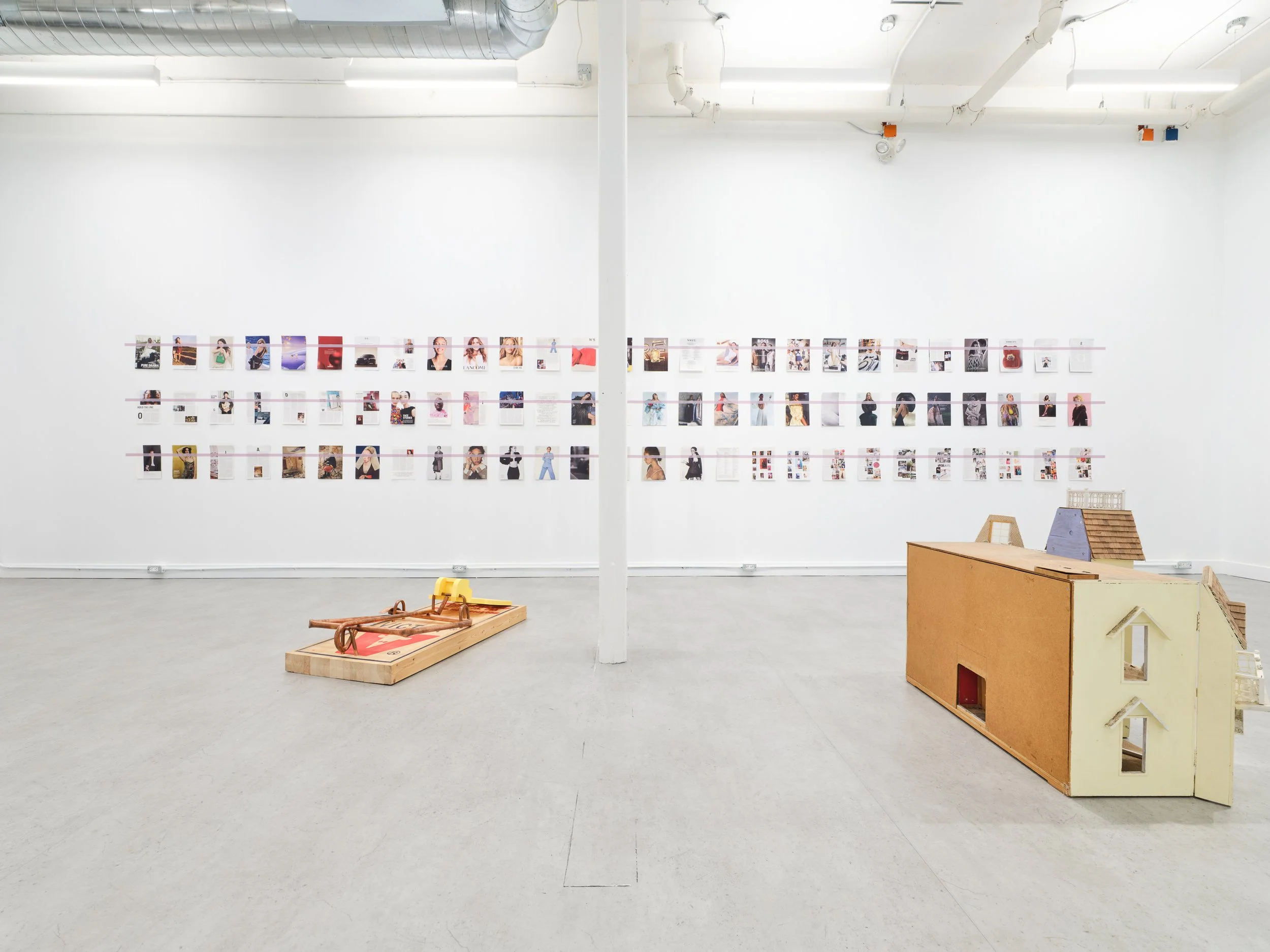
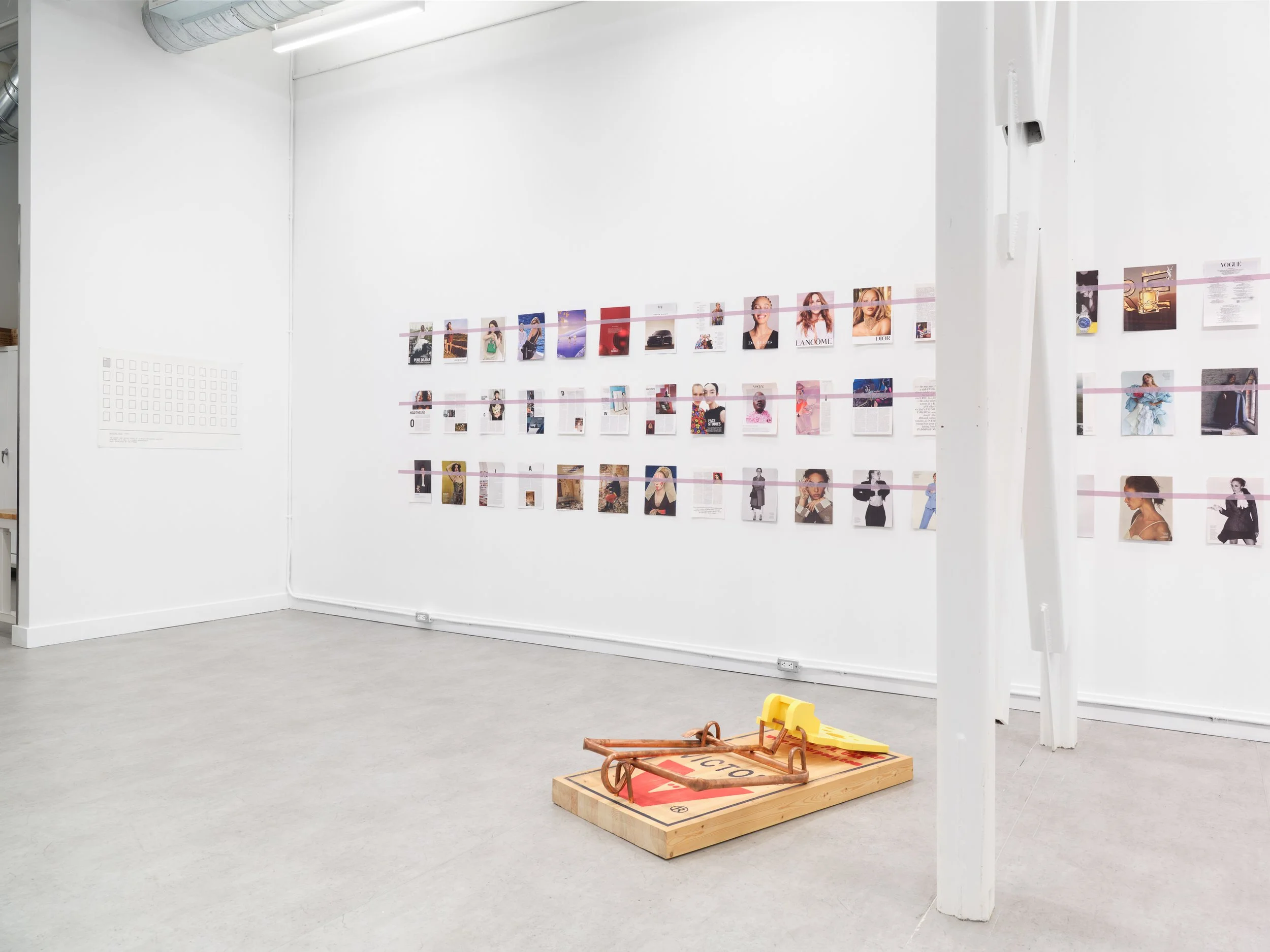
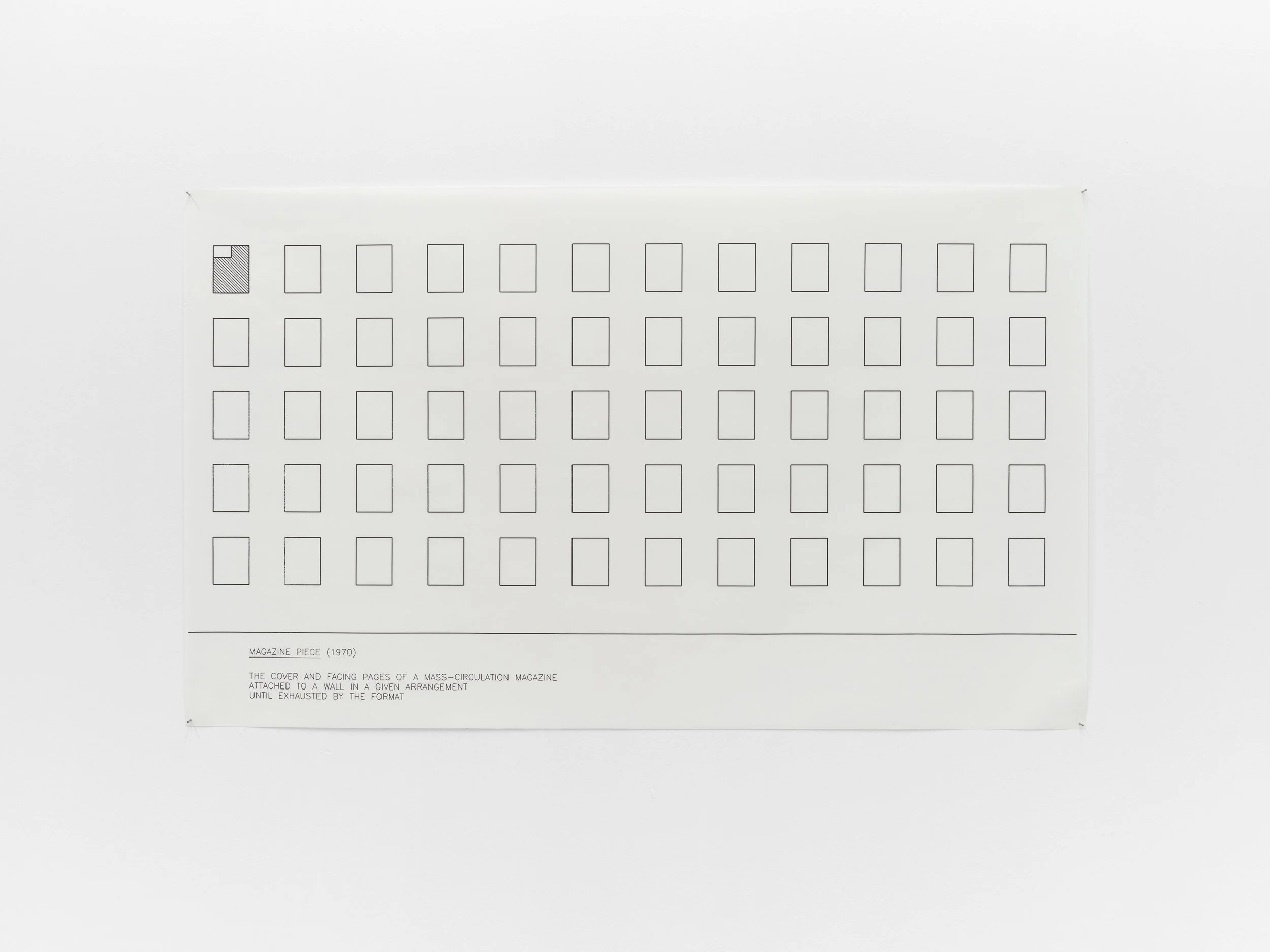
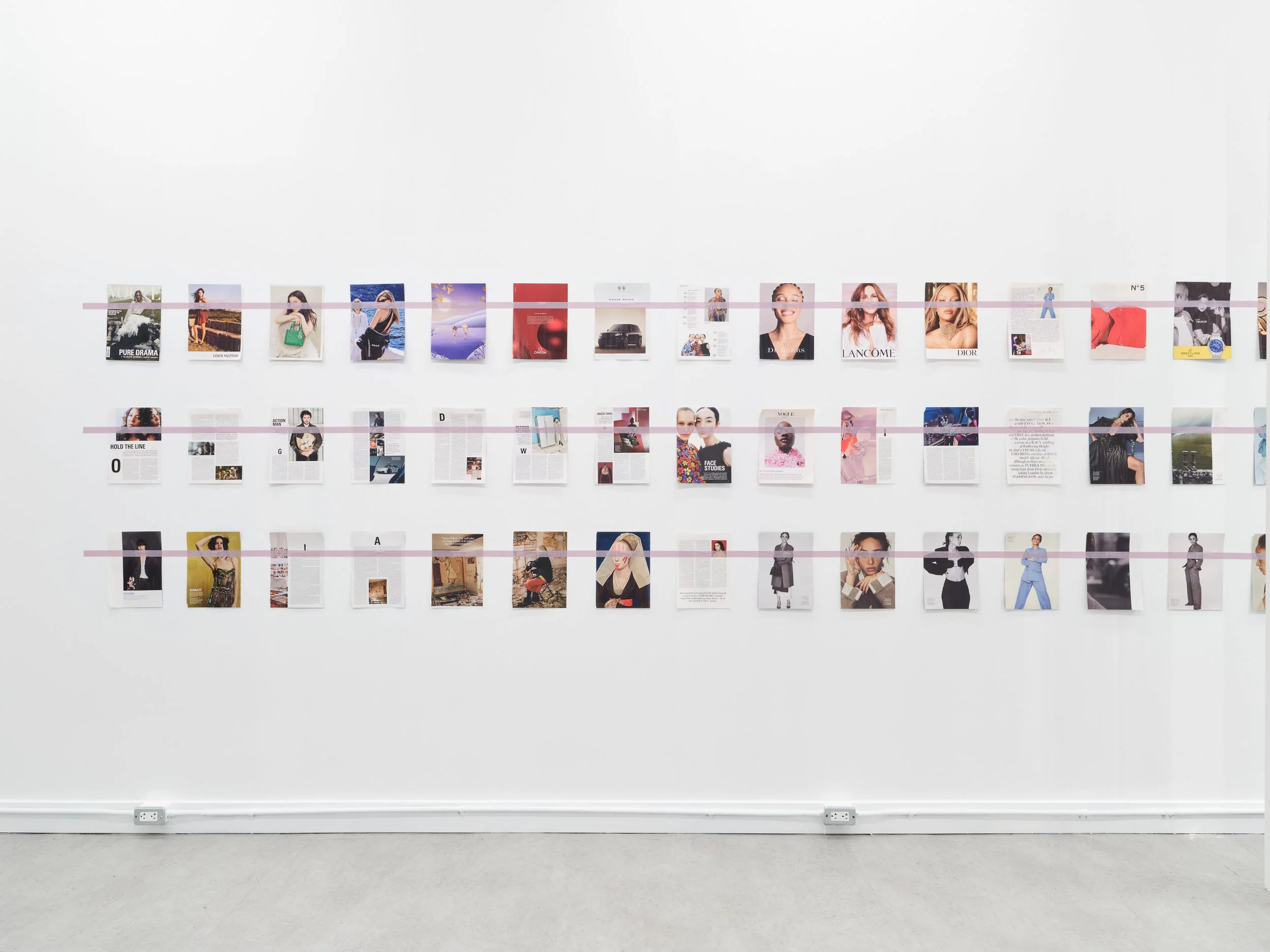
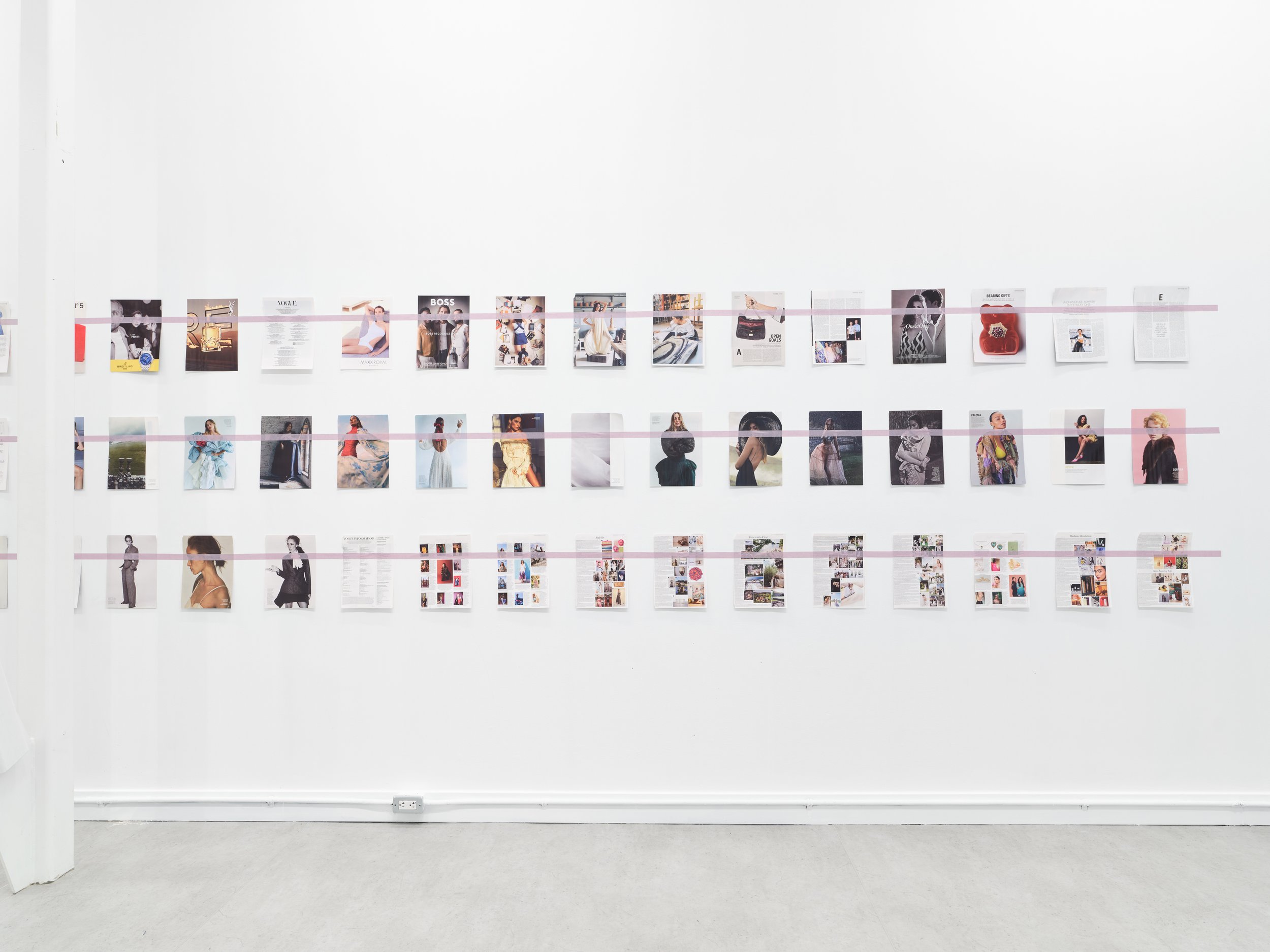
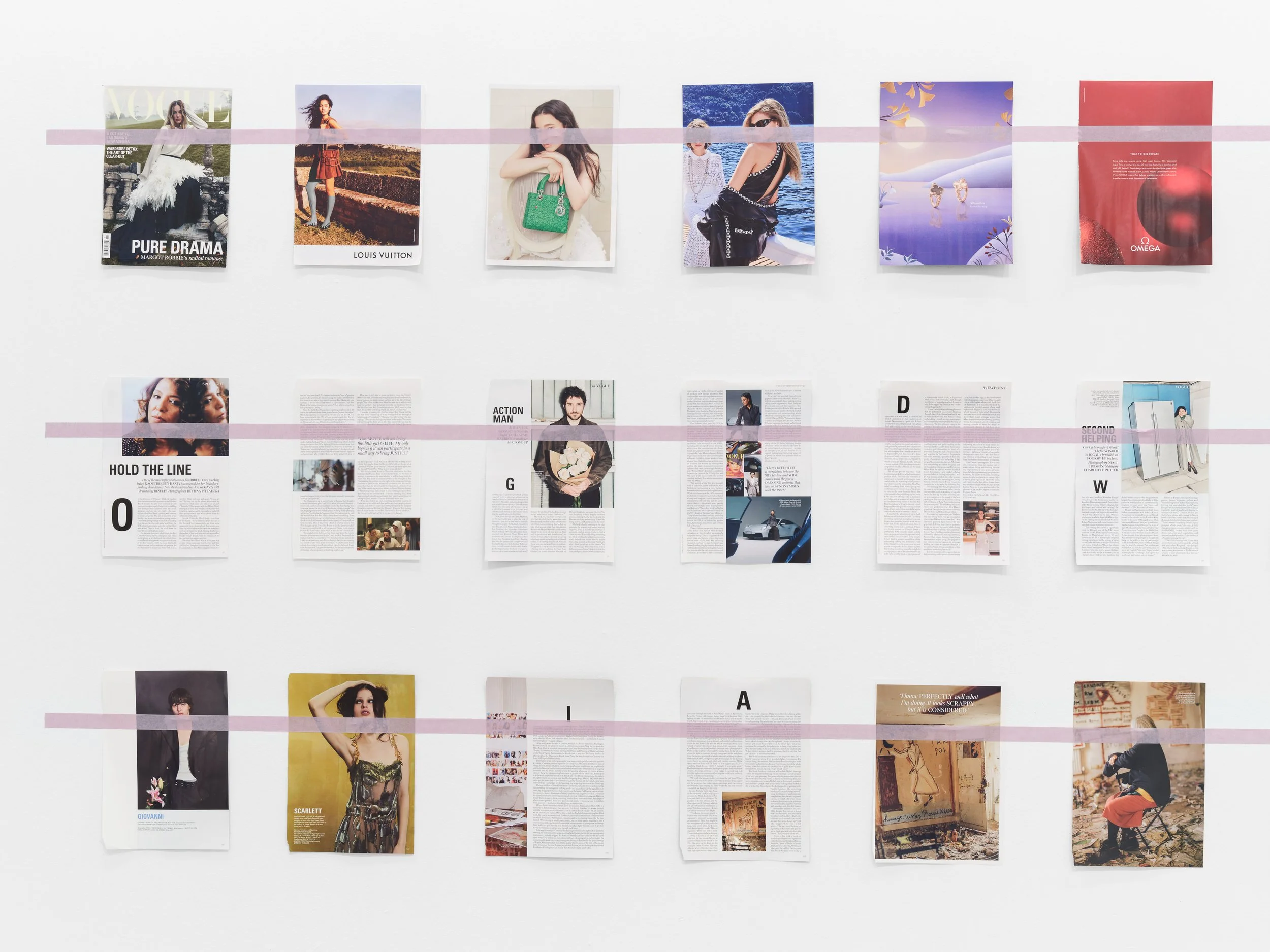
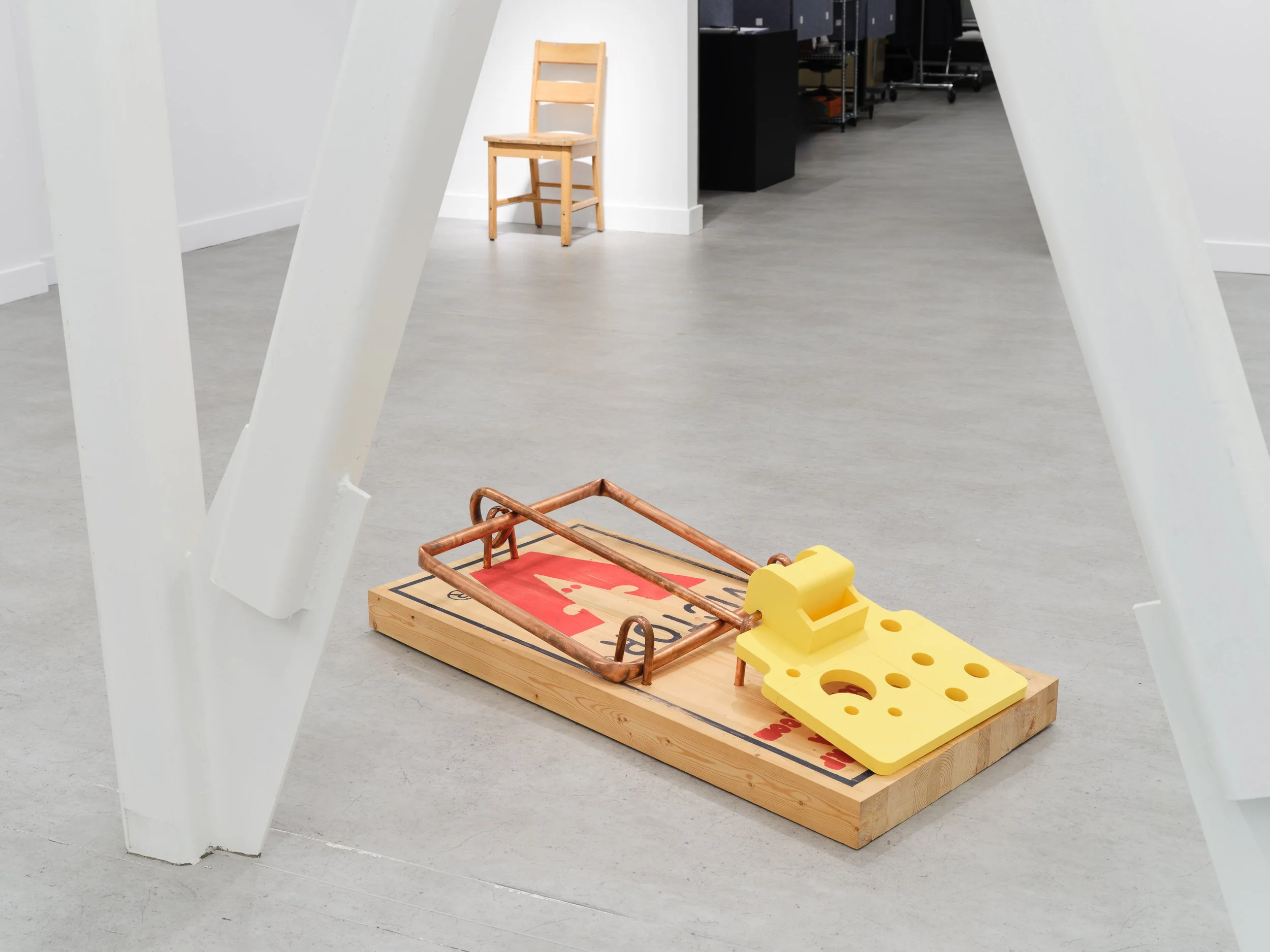
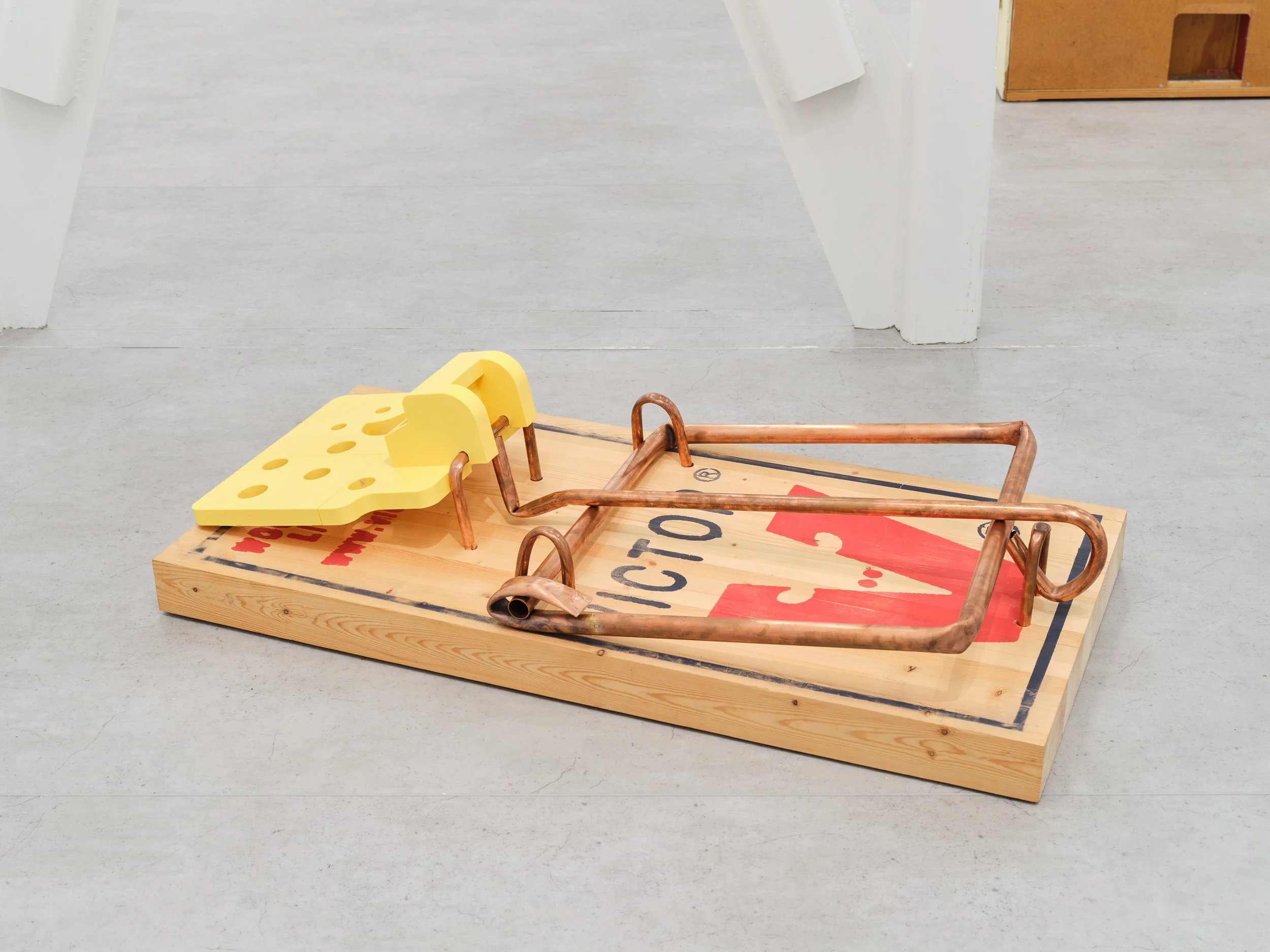
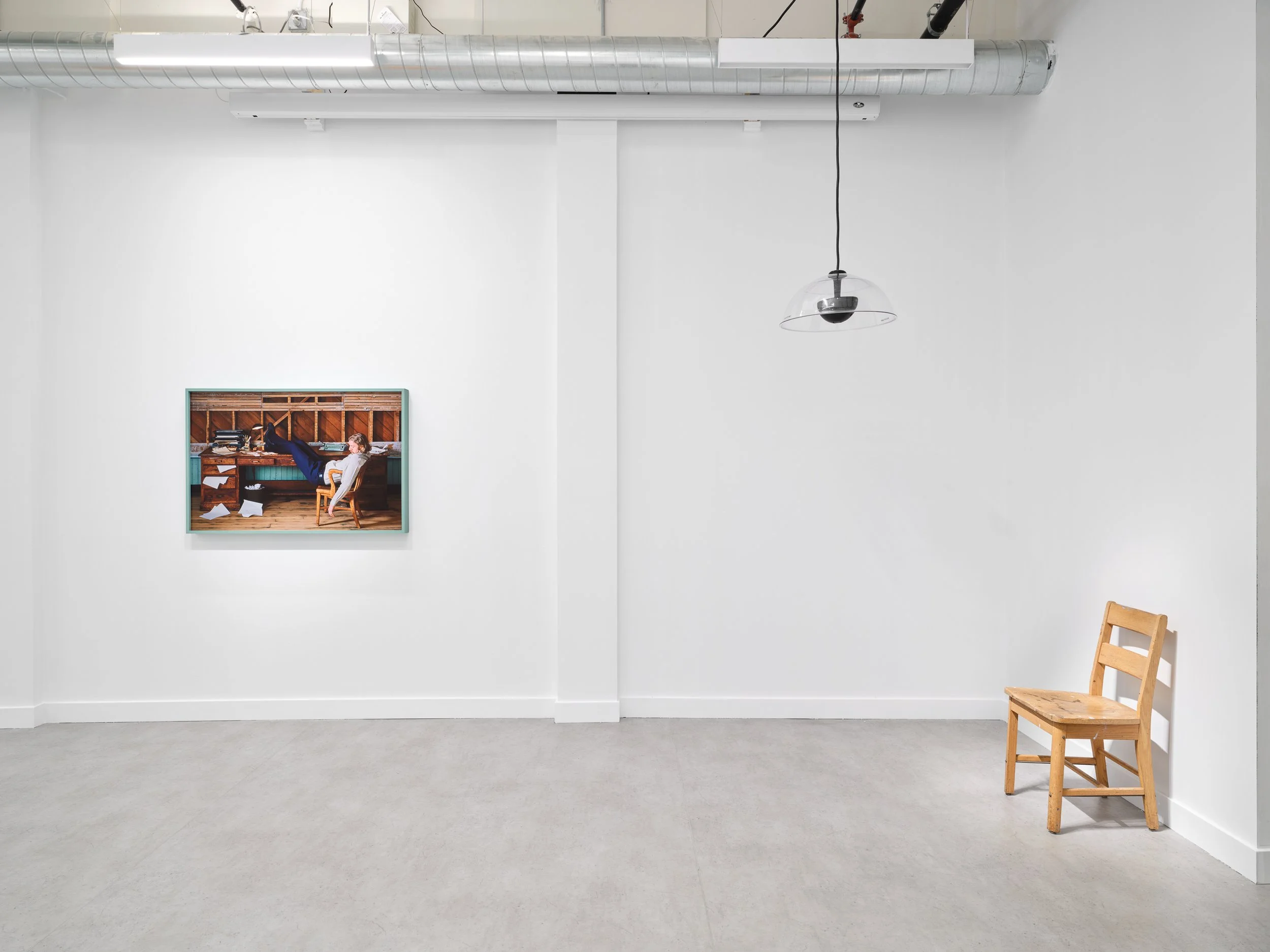
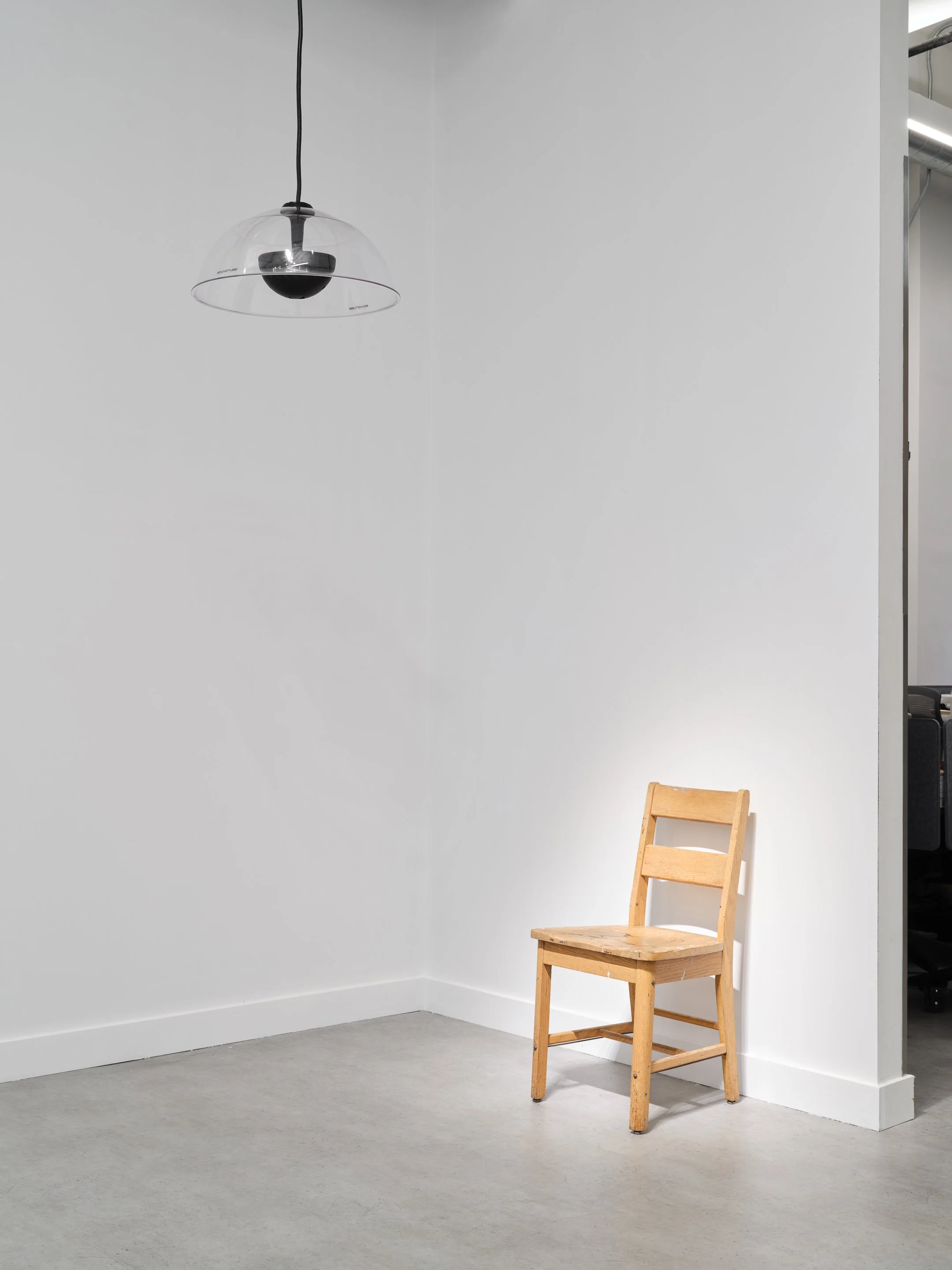
'Settle Down, Not There' is guest curated by Gachet curator-in-residence Maya Rodrigo-Abdi. The exhibition will feature work from Vancouver artists Vanessa Mercedes Figueroa, Phillip McCrum, Gibson Switzer, and Ian Wallace. Parts of their practices will accompany each other for the duration of this exhibition, ranging from a derelict dreamhouse that has been raised from the dead, to the fractured sounds of voicemails recovered from a disconnected number. The series of separations constructed by these artists allow us to reorient our understanding of Vancouver, seen here as a site of social fragmentation that is predicated on economies of feigned absence.
Concepts pertaining to the displacement and attempted eradication of the body in the city will be engaged with by the artists through the use of strategies such as appropriation, roleplay, and accumulation. In this exhibition, regional expressions of experiences with isolation and entrapment form a case study for corporeal concerns that are experienced on a global scale. When brought together, their work reveals the colonial pursuit of domestic fantasies and capitalist ideals as a dubious game of cat and mouse. Settle Down, Not There’s dialogue with the recent past of settler defined vision and power dynamics embedded in local considerations of space, will highlight the often contradictory acts required for continued survival here.
The exhibition runs April 17–June 20, 2026.
Outro
Ophelia Zhao On Settle Down, Not There
Dear ______,
How are you? I imagine spring back home must have been as bright and breezy as it always has been. I meant to write sooner, but days have been slipping past, and I have been gathering the entirety of my being to settle down (not there yet), but I suppose I’m closer than where I was, day by day.
Vancouver felt strangely familiar, as though I had already been here – in postcards or those magazines we used to leaf through together: sea and hills in every turn, gardens and new housing development projects everywhere! Here, all the roads are named after trees, and unlike an actual forest that spreads without order, they follow a clear aesthetic logic: each extends on a perfectly straight line, waving into perfect grids, radiating the structure of the city. All of the houses in our neighbourhood follow a schema, made up of a series of monochromatic rectangular units, each is known as a "pillbox." There are eight choices for the exterior colours of these pillboxes: white, moonstone grey (my house!), nickel, seafoam green, lawn green, bamboo, coral pink, and colonial red. The forms and materials are predetermined and cohere into a single solid image. It is New York, it is LA, it is Paris, it is London; but at a mild dosage, it is the assemblage of all the finest.
My moonstone grey house sits on the edge of its neighbourhood, at the intersection between Pine Street and Boundary Road. When it rains (which is most days), the moonstone grey skin recedes into the backdrop of the sky and the city, it becomes a raindrop or a molecule of the landscape. When the sun comes up, the moonstone grey is either in the light of Boundary Road, or in the shades of my neighbour’s colonial red. My living room is the left ear of the house, sounds spill into my window as I hear crowds of crickets or canaries from my neighbour’s garden trees, that comes with an almost vertiginous happiness as if I were part of the crowd. My bedroom is the right ear of the house. Some days I wake up into the blue daybreak with indistinct rustlings of passing cars, far and near, heavy and light breaths of engines. When you come and visit, you will stay in the attic on the second floor, it faces the skyline of the city at a distance, and the mountains of Seymour and Cypress at a farther distance. There isn’t much you can hear from the attic, the sounds are either missed or out of sight.
Remember when we planted tomatoes and basil in our backyard, you said that one’s garden mirrors every homemaker’s domestic desire, and my desire was a margherita pizza? Well, a certain aesthetic lineage runs through the gardens in my neighbourhood here: perfectly trimmed lawns, wooden fences colour-matched to each house, tulips in orderly rows, and plants in geometrical patterns. No tomatoes, no basil, a formality of restrained senses inherent in the mise-en-scène of a pristine image: the garden, neither interior nor exterior, persists as a parergon by proximity—claimed by the house from the inside, and by the street from the outside. The garden is a microcosm of the city, I figured: it looks up to the construction of the city as an oracular brevity, and itself as its child. My garden is one of the many children, too – thriving within the image, reflected, absorbed, no longer desiring a margherita pizza.
I left for Vancouver before I learned how to drive, and guess what? I drive a car now! One day I will drive across the continent to come home to you. The roads in my neighbourhood are designed for driving rather than walking, and I have enjoyed roaming at idle speed, picking up groceries from the market down the street. I have yet to drive to the city and I have never driven fast (the check engine light kept blinking, I know, I will get to fixing it eventually). At times I feel like a snake in the middle of the road, that I am a danger to others and a danger to myself. I love driving to the parking lot by the beach, having a slice of pizza, and taking a long nap in the car. I fully embrace this ride as my actual house: wherever I park becomes my garden, mirroring my domestic desire. I will come home at the end of the day, parking on the street in my neighbourhood, in front of my garden, looking at my house, falling asleep, dreaming about going to Vancouver.
I miss you every day. You should come visit me, or move here with me!
Love,
O

Ophelia Yingqiu Zhao is a writer and curator from Beijing, China, currently living and working on the ancestral lands of the xʷməθkʷəy̓əm, Sḵwx̱wú7mesh and səlil̓wətaʔɬ peoples.
Her research explores the sentience of objects, and delves into the material existence of objects through poetry and speculative fictions. She is also a painter of still life, inquiring into the stillness of objects and their pre-commodity states of being. Zhao holds a MA degree in Critical and Curatorial Studies (2023), and a BFA degree in Visual Arts (2020) from the University of British Columbia.